
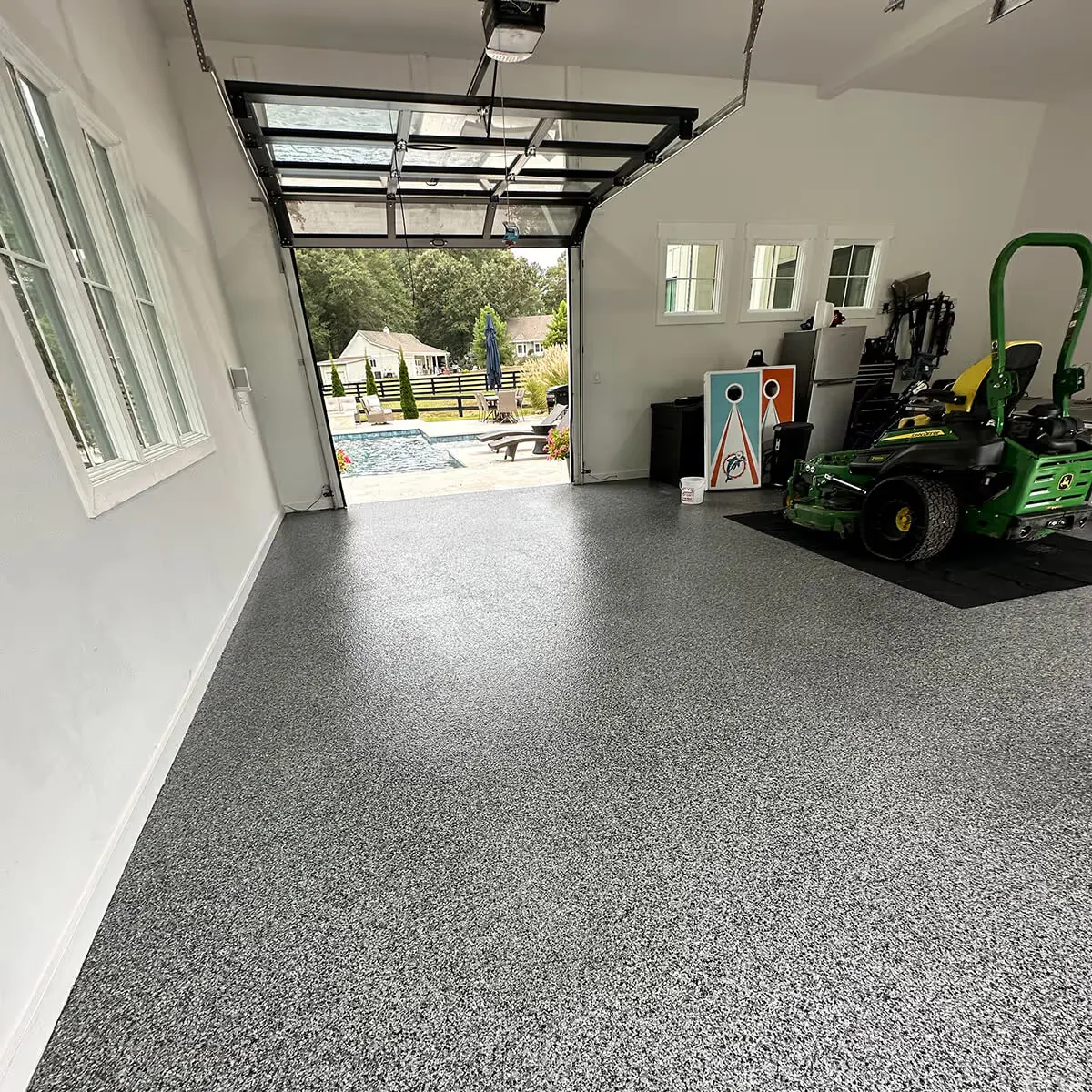
Upgrading your raw garage or commercial warehouse surface requires figuring out the right mechanical treatment plans before applying fresh coatings. Choosing between durable epoxy floors layouts or going down a different chemical path entirely determines how many years your workspace stays fully functional. The existing subfloor condition dictates whether you need to spend extra money fixing ugly spiderweb cracks or deeply embedded oil stains. You must examine the moisture emission rates carefully because trapped subbase water vapours will easily lift heavy resin coatings right off the foundation layer.
Inspecting Raw Slab Integrity
It is incredibly easy to ruin an expensive surface treatment if your baseline foundation layer has underlying structural issues. Doing professional concrete polishing tasks requires a completely stable baseline before you bring in heavy planetary grinding machinery to level the surface. You must patch deep chips and treat old chemical stains with specialized degreasers ahead of any grinding actions. If your foundation sits uneven or soft, the diamond grinding shoes will dig problematic gouges across your layout, making the final finish look totally unbalanced.
Mixing Thick Liquid Resins
Getting a pristine finish when installing industrial-grade epoxy floors requires strict attention to your environmental mixing temperatures and ambient humidity levels. You need to combine the primary resin liquid base with its reactive chemical hardener part using an uneven, slow-churning manual paddle tool. Stirring too quickly with a high-speed drill introduces thousands of microscopic air pockets that eventually pop, leaving ugly crater marks across your clean floor. Pouring the mixed batch out onto the prepared floor quickly prevents premature heat buildup from ruining your liquid work window.
Running Diamond Grinding Shoes
Many building owners mistakenly assume that a simple wash down is enough prep work before starting a heavy concrete polishing job. The physical application actually demands that you run progressively finer grits of industrial diamond tooling across the entire slab space systematically. You start with coarse metal-bond diamond segments to strip away old sealers and smooth out uneven floor joints cleanly. Switching gradually over to fine resin-bond pads allows you to close up the open stone pores, creating a brilliant, glass-like reflective surface naturally.
Managing Liquid Topcoat Spills
The single biggest blunder you can easily commit during a self-installed resin process is spreading your material too thin across the floor space. If you want your epoxy floors to look professional, always use a notched squeegee to distribute the self-levelling liquid layer perfectly across the room. Walking over the wet resin coat requires you to wear spiked shoes so your feet never leave permanent smooth flat marks behind. Letting the liquid layer build its own structural thickness helps hide minor imperfections in the underlying aggregate base.
Densifying Open Stone Pores
Raw masonry work naturally acts like a giant hard sponge that absorbs spilled automobile oils and water stains far too quickly. Applying a specialized liquid hardener during a concrete polishing sequence changes the internal chemistry of your slab to make it much denser. This chemical densification process triggers a crystalline reaction inside the masonry pores, transforming soft calcium hydroxide components into highly durable structures. The resulting surface resists heavy forklift traffic and dropped iron tools without dusting or showing deep scuff marks easily.
Maintaining Your Refinished Area
Once your industrial floor coatings cure completely, keeping the gloss finish bright requires you to adjust your daily janitorial cleaning routines. Clean water mixed with a neutral pH soap works infinitely better than using harsh acidic chemicals on polished masonry surfaces or thick epoxy floors layouts. Abrasive scrub brushes will slowly micro-scratch the protective clear topcoats, making the room look dull and hazy over a few months of use. Running a microfiber dust mop across the room daily removes sharp sand grains that act like sandpaper under foot traffic.
Conclusion
Deciding to upgrade your dark commercial garage or old residential basement with a clean industrial finish is a smart way to increase property value. Selecting heavy epoxy floors coatings or choosing a raw mechanical polish gives you an incredibly durable foundation that handles heavy vehicular traffic effortlessly. By contacting the regional surface preparation professionals over at atlantaflooring.io today, you can secure a comprehensive site inspection for your upcoming property improvement project. We highly recommend booking an initial design consultation with our floor team right now to review your slab density and protect your investment safely.