
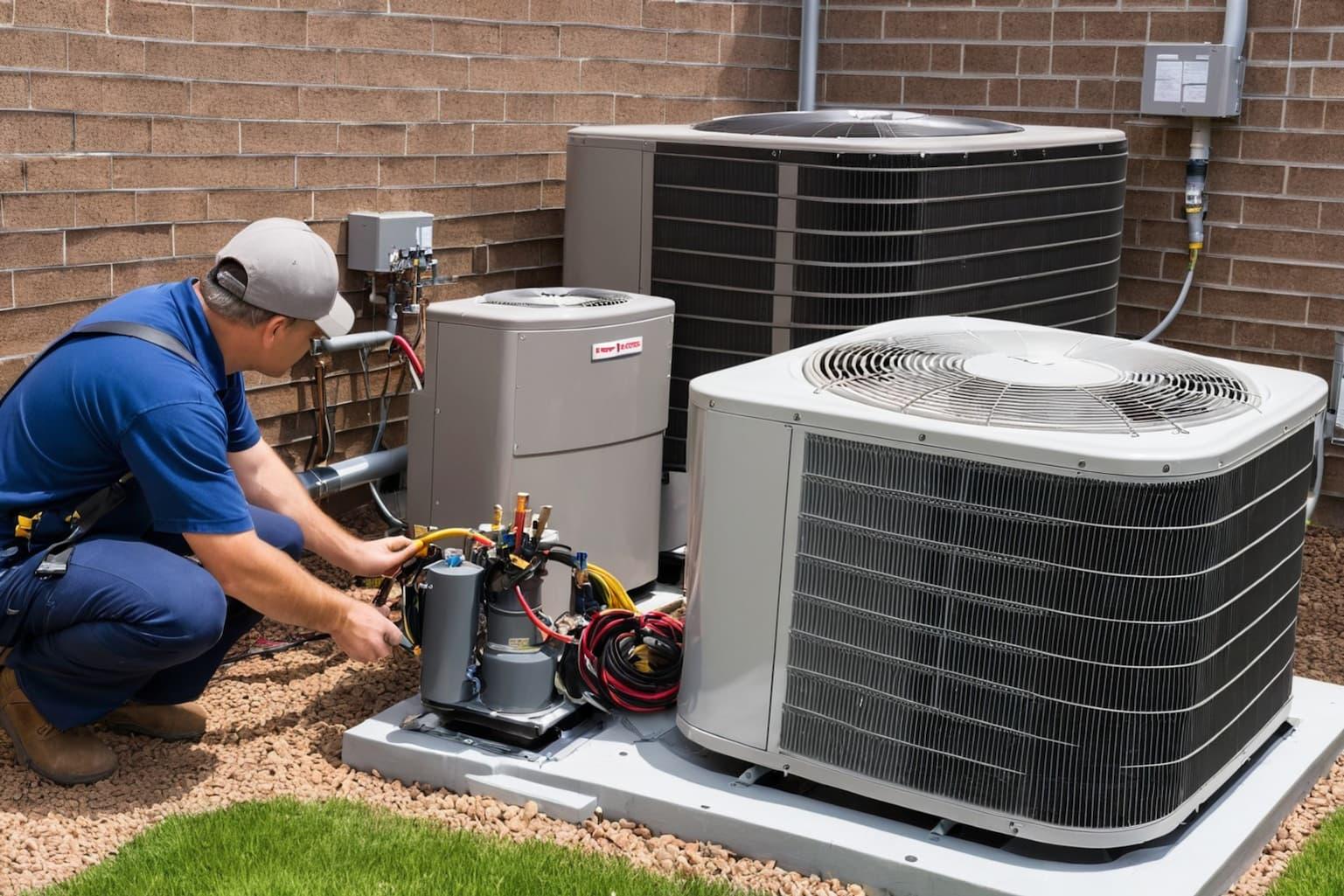
Early warning signs from your air conditioner can prevent costly breakdowns and keep your home cool. Unusual noises, weak airflow, higher bills, and other clues appear before major failure. Spot these five signals in time and take simple action to protect comfort and avoid emergency repairs.
Air conditioners usually give clear signals before they stop working completely. Paying attention to small changes in sound, performance, or energy use lets you schedule service before a minor issue grows expensive. Acting early protects the compressor and other major parts while keeping indoor temperatures steady. Homeowners who recognize the common warning signals enjoy fewer surprises during peak cooling season. Learning the main signs you need ac repair helps you respond quickly and keep the system running efficiently when you need it most.
Unusual Noises Including Clicking Sounds
A normal air conditioner produces a steady, quiet hum. New or repeated clicking when the system starts often points to a failing capacitor or relay. The capacitor supplies the extra power needed to start the compressor and fan. When it weakens, the relay clicks repeatedly as it tries to engage.
Other noises such as grinding, squealing, or rattling also deserve attention. Turn the system off if the sounds continue and arrange a professional check. Catching these issues early prevents the problem from damaging more expensive components.
Weak or Uneven Cooling
Air that feels weak from the vents or rooms that stay warmer than the thermostat setting are reliable early indicators. Dirty filters are the most common cause and the easiest to correct. Restricted airflow forces the unit to run longer and can lead to frozen coils.
If changing the filter does not restore normal performance, the issue may involve the blower motor, low refrigerant, or duct problems. Addressing weak cooling promptly restores comfort and stops the system from working harder than necessary.
Unexpected Increases in Energy Costs
A sudden rise in electricity bills during cooling season often means the air conditioner is losing efficiency. Dirty coils, failing electrical parts, or a struggling capacitor force longer run times and higher energy use. Comparing current bills to the same months in previous years makes the change clear.
When costs climb without a matching increase in outdoor heat or indoor settings, the system needs inspection. Early attention keeps operating expenses under control and prevents complete failure later.
Frequent On-and-Off Cycling
An air conditioner that starts and stops more often than usual is short-cycling. This pattern places extra stress on the compressor and raises energy consumption. Common causes include thermostat problems, airflow restrictions, or electrical issues such as a weak capacitor.
Note how frequently the system cycles during a typical day. Consistent short cycles are a strong signal that professional diagnosis is required before larger damage occurs.
Visible Leaks or Ice Formation
Water pooling around the indoor unit or ice forming on the refrigerant lines or coils signals a developing problem. Clogged drain lines, low refrigerant, or restricted airflow are frequent causes. Moisture can also lead to mold growth if left unaddressed.
Turn the system off if ice appears and allow it to thaw before calling for service. Prompt action prevents water damage and protects indoor air quality.
Strange Odors from the System
Musty smells often indicate moisture and possible mold in the drain pan or ducts. Burning or electrical odors can point to wiring or motor problems. Any persistent unusual smell should be investigated quickly.
These odors are more than a nuisance. They frequently accompany other performance issues and signal that the system needs professional attention to restore safe, clean operation.
The Importance of Prompt Professional Inspection
When any of these five signs appear, the safest next step is a thorough inspection by a trained technician. They can test the capacitor, check electrical connections, measure refrigerant levels, and identify the exact cause. Turning the system off until it is examined prevents further strain on critical parts.
Regular maintenance visits also catch many of these issues before they become noticeable. A professional tune-up keeps the system efficient and reduces the chance of sudden failure during the hottest weather.
Simple Steps to Take When You Notice Warning Signs
-
Turn the system off if you hear repeated clicking or other loud noises.
-
Replace the air filter and check for obvious blockages.
-
Note any changes in airflow, energy bills, or cycling patterns.
-
Schedule a professional inspection as soon as possible.
-
Keep outdoor units clear of debris to support better airflow.
These steps limit damage and help the technician diagnose the problem faster.
FAQs
What does repeated clicking usually mean?
It often indicates a failing capacitor or relay that is struggling to start the compressor or fan motor.
Should I keep running the AC if I notice one of these signs?
No. Turn the system off to avoid additional damage and schedule an inspection.
Can a dirty filter cause several of these warning signs?
Yes. A clogged filter reduces airflow, can lead to ice formation, higher energy use, and short-cycling.
How often should an air conditioner receive professional maintenance?
Once a year is the standard recommendation to catch developing issues early.
When is it time to call for service instead of waiting?
Call as soon as any of the five main signs appear and basic steps such as filter replacement do not resolve them.
Closing Thoughts
Recognizing the early signs you need ac repair keeps small problems from turning into expensive breakdowns. Unusual noises such as repeated clicking, weak cooling, rising energy bills, frequent cycling, and visible leaks or ice are the most common warnings. Strange odors add another clear signal that service is required. Acting quickly by turning the system off when necessary and calling for professional diagnosis protects major components and maintains steady comfort. Regular filter changes and yearly maintenance further reduce risk. Stay alert to these five indicators and respond without delay so your air conditioner continues to deliver reliable cooling throughout the warm season.