
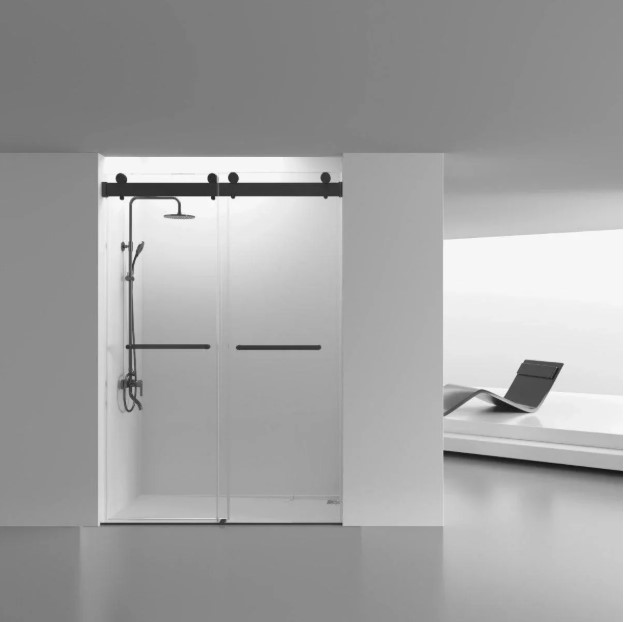
Shower doors have become an essential component of modern bathrooms, combining functionality with style. They provide a barrier to keep water inside the shower area, help maintain cleanliness, and contribute significantly to the overall aesthetic of the bathroom.
Whether remodeling an existing bathroom or designing a new one, understanding the different types of shower doors, their materials, installation considerations, and maintenance is key to making the right choice.
What Are Shower Doors?
Shower doors are typically made of glass or plastic panels installed on the entrance of a shower enclosure to prevent water from splashing outside the shower area. They can be framed, semi-frameless, or frameless, and come in various styles such as sliding, hinged, bi-fold, or fixed panels.
Types of Shower Doors
- Sliding Shower Doors (Bypass Doors):
These doors consist of two or more glass panels that slide past each other on tracks. They are ideal for bathrooms where space is limited because they don’t require extra room for door swing. Sliding doors work well with rectangular or alcove-style showers. - Hinged (Pivot) Shower Doors:
Hinged doors swing open like a traditional door, usually outward but sometimes inward. They provide a wider entryway and a classic look but need enough clearance space in the bathroom to open fully. Hinged doors are great for walk-in showers or standalone shower stalls. - Bi-Fold Shower Doors:
Bi-fold doors fold inward in sections, making them a smart option for small bathrooms where a hinged door wouldn’t fit well. They maximize space and provide easy access to the shower. - Fixed Shower Panels:
Fixed panels are stationary glass panels that don’t move but act as a splash guard. They’re often used alongside a shower curtain or paired with a hinged door. Fixed panels can give a sleek, minimalist look to modern bathrooms.
Materials Used in Shower Doors
- Tempered Glass:
The most common material for shower doors is tempered glass. It is heat-treated to increase strength and safety. If broken, it shatters into small, blunt pieces rather than sharp shards, reducing injury risk. Tempered glass comes in various thicknesses, commonly ranging from 1/4 inch to 1/2 inch. - Frosted or Textured Glass:
For added privacy, frosted or textured glass is used. These types obscure the view while still allowing light to pass through, maintaining a bright bathroom atmosphere. - Clear Glass:
Clear glass doors are popular because they make bathrooms appear larger and more open. They also showcase tile work or shower features beautifully. - Plastic or Acrylic Panels:
Less common than glass, plastic or acrylic doors are lightweight and more affordable but less durable and prone to scratching.
Benefits of Shower Doors
- Water Containment:
Shower doors effectively keep water inside the shower area, preventing leaks and reducing water damage to bathroom floors and walls. - Enhanced Bathroom Aesthetic:
Glass shower doors create a modern, sleek look that can elevate the design of any bathroom. Frameless or semi-frameless doors provide a minimalist style, while framed doors offer a more traditional appearance. - Easy Maintenance:
Glass doors are easy to clean and maintain. Regular wiping with a squeegee or glass cleaner prevents soap scum buildup and keeps doors looking new. - Increased Home Value:
Upgrading to stylish shower doors can increase the resale value of a home by improving the bathroom’s appeal. - Customizable:
Shower doors come in many sizes, finishes, and styles, making it easy to find one that fits specific bathroom dimensions and personal tastes.
Installation Considerations
Proper installation is crucial for shower doors to function correctly and last. Here are some points to consider:
- Measurement: Accurate measurements of the shower opening are essential to ensure a proper fit.
- Framing: Choose between framed, semi-frameless, or frameless based on style preference and budget.
- Hardware Quality: High-quality hinges, handles, and tracks improve durability and ease of use.
- Professional Installation: While DIY installation is possible for some models, professional installation guarantees better fit and reduces the risk of leaks.
Maintenance Tips
Maintaining shower doors is relatively simple:
- Regular Cleaning: Use a squeegee after each shower to prevent water spots and soap scum.
- Non-Abrasive Cleaners: Avoid harsh chemicals or abrasive scrubbing pads that can scratch or damage glass.
- Check Hardware: Periodically inspect hinges, rollers, and seals to ensure everything is secure and functioning.
- Seal Maintenance: Replace or repair worn seals to prevent water leaks.
Conclusion
Shower doors are a practical and stylish addition to any bathroom, offering a range of options to suit different spaces, budgets, and design preferences. From sliding doors perfect for small spaces to elegant frameless doors that add a touch of luxury, there’s a shower door for every bathroom style. Proper selection, installation, and maintenance ensure that shower doors remain functional and beautiful for years to come.